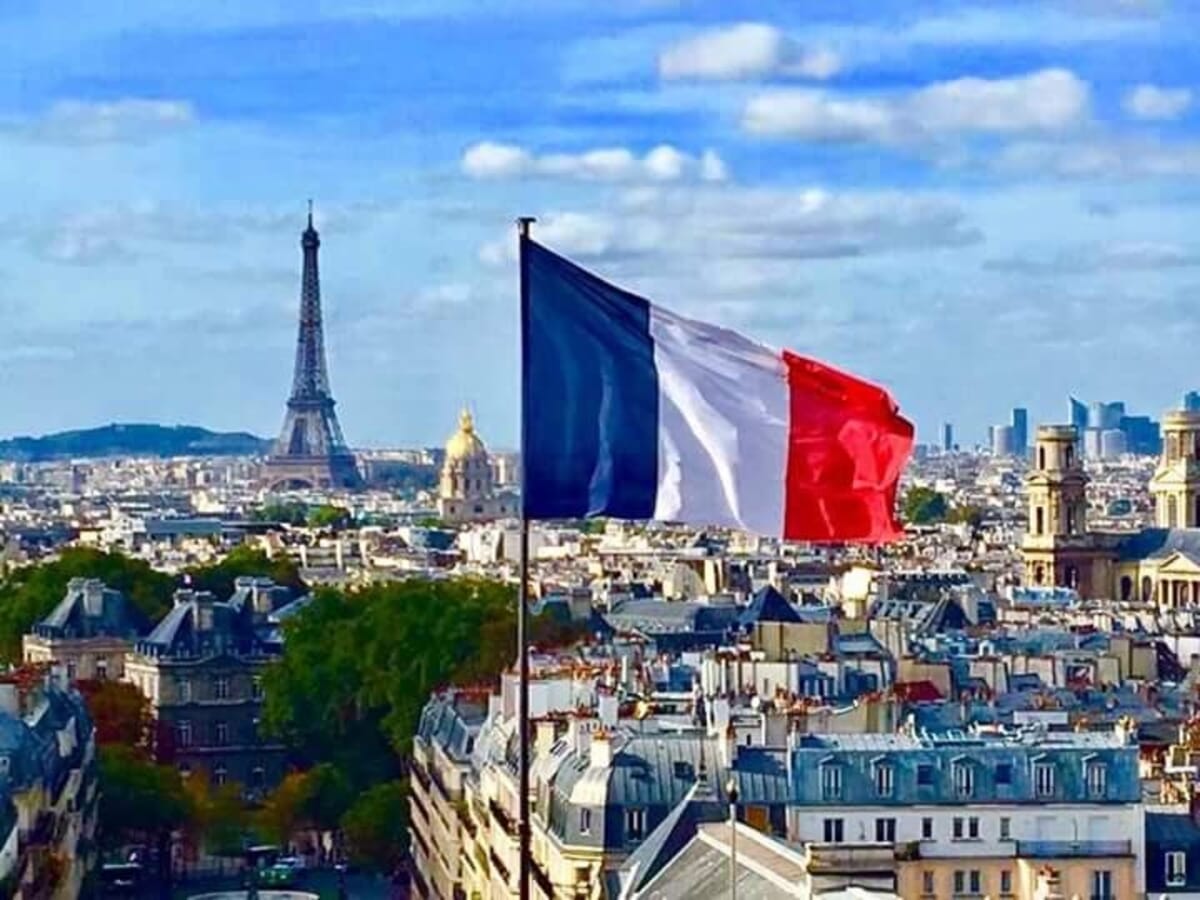
France is not just a country. It is the birthplace of modern fashion. Since the reign of Louis XIV, Paris has dictated trends to the entire world, and that tradition remains alive with remarkable strength. The French fashion industry is commonly sized at over €150 billion of revenue and separately credited with roughly 2.7% of national GDP (Fédération de la Haute Couture et de la Mode). Those are two different measures and an earlier version of this article presented them as one: €150bn is turnover across the sector, while 2.7% of a roughly €2.8 trillion economy is closer to €76bn of value added. Revenue and GDP contribution are not interchangeable. French brands consistently dominate global luxury rankings.
What this article covers
This article breaks down the 10 largest clothing brands from France by revenue, history, and global influence. From the historic factories of Paris to accessible ready-to-wear chains, the range is striking. Plus a manufacturer-group lens on what emerging French brands can learn from these giants and where Portuguese production fits into modern French supply chains.
Heads up: We're Portugal Clothing Factory, a group of 80 documented Portuguese clothing factories. Since 2021, we've placed dozens of French-based brands with Portuguese factories. The sourcing-pattern observations and emerging-brand lessons come from those placements. EUR throughout.
Related: the biggest UK clothing brands
Key Takeaways
- Louis Vuitton leads on an estimated €22.2 billion, more than the bottom five combined. LVMH does not publish brand-level revenue, so four of these ten figures are estimates
- Seven of the ten were founded before 1960, from Hermès in 1837 to Givenchy in 1952
- LVMH controls four brands here: Louis Vuitton, Christian Dior Couture, Celine and Givenchy. It does not disclose revenue for any of them
- Kiabi, founded in 1978, proves that French fashion goes well beyond luxury, with €2.2 billion in revenue
- Most French brands now source production outside France; Portugal is among the fastest-growing nearshoring partners
- Realistic budget for emerging French brands: €25,000-€60,000 all-in for first-collection Portuguese production
Try it free: Pressure-test your French-brand production cost with our garment cost calculator before sourcing. 60 seconds, no email required.
Which Are the Biggest French Clothing Brands by Revenue?
Before diving into each brand, here is a broad overview. The table below ranks all ten brands by estimated annual revenue.
| Rank | Brand | Founded | Revenue | Basis | Employees |
|---|---|---|---|---|---|
| 1 | Louis Vuitton | 1854 | €22.2bn (estimate) | Not disclosed by LVMH | ~35,600 |
| 2 | Chanel | 1910 | €16.2bn (US$18.7bn) | FY2024, reported in USD | 38,400 |
| 3 | Hermès | 1837 | €15.2bn | FY2024, reported | 25,185 |
| 4 | Christian Dior Couture | 1946 | €12.2bn (estimate) | Not disclosed separately | ~15,000 |
| 5 | Saint Laurent | 1961 | €2.9bn | FY2024, Kering reported | 3,989 |
| 6 | Lacoste | 1933 | €2.9bn | MF Brands reporting | 8,200 |
| 7 | Kiabi | 1978 | €2.2bn | Latest reported year | 10,000 |
| 8 | Celine | 1945 | €2.0bn (estimate) | Not disclosed by LVMH | ~3,100 |
| 9 | Sandro and Maje (SMCP) | 1984 | €1.2bn | SMCP reported, listed group | 6,592 |
| 10 | Givenchy | 1952 | €1.0bn (estimate) | Not disclosed by LVMH | ~1,700 |
Two corrections and one important caveat. Chanel was given as €18.7bn; that is Chanel's 2024 revenue in US dollars, which converts to about €16.2bn, so the brand sits closer to Hermès than the old table implied. Louis Vuitton was given 215,000 employees; that is LVMH's group headcount of roughly 211,500 across some 75 houses. Louis Vuitton the brand employs about 35,600, so the earlier figure overstated it sixfold.
The caveat: LVMH does not publish brand-level revenue, reporting Fashion and Leather Goods as a single segment. Figures for Louis Vuitton, Christian Dior Couture, Celine and Givenchy are therefore widely circulated estimates, not reported numbers, and are labelled as such. Only Hermès, Saint Laurent and SMCP publish at the level this table compares. Treat the ranking as an ordering of scale, not an audited league table.
1. Louis Vuitton: Why Is It the Most Valuable French Brand in the World?
Louis Vuitton is by far the largest French fashion brand, on an estimated €22.2 billion of revenue and about 35,600 employees. Two things to be precise about. LVMH does not disclose Louis Vuitton's revenue separately, reporting Fashion and Leather Goods as one segment, so the €22.2bn is an estimate. And the figure of 215,000 employees that an earlier version of this article gave is LVMH's group headcount, roughly 211,500 people across some 75 houses, not Louis Vuitton's. Louis Vuitton is large; it is not six times larger than it is.
Founded in 1854 by Louis Vuitton in Paris, the brand started as a maker of trunks and travel luggage. The LV monogram, created in 1896 by his son Georges, became one of the most recognised logos in history. Today, the brand belongs to the LVMH group, led by Bernard Arnault.
Core products and segments
Louis Vuitton operates across leather goods, ready-to-wear, footwear, accessories, watches, and jewellery. Leather goods remain the core revenue driver, with iconic pieces like the Speedy, the Neverfull, and the Keepall.
What truly sets LV apart is its strategy of never holding sales. Every piece stays at full price, which protects exclusivity and resale value. That formula has worked for over 170 years.
Sourcing pattern
Louis Vuitton retains significant French and Italian production for leather goods, with factories in France, Spain, and Italy. The brand maintains over 35 leather factories globally. Ready-to-wear production extends across France, Italy, and select EU partners, with Portugal contributing to certain knitwear and accessories programs.
Citation Capsule: Louis Vuitton is consistently ranked the world's most valuable luxury brand and is estimated at around €22.2 billion of annual revenue, though LVMH does not publish brand-level figures. It employs roughly 35,600 people; the 215,000 figure often attached to it is LVMH's group headcount across about 75 houses, not the brand's.
2. Chanel: What Makes This House a Timeless Icon?
Chanel holds second place with 2024 revenue of US$18.7 billion, about €16.2 billion, and 38,400 employees. Chanel reports in dollars, and an earlier version of this article carried the dollar figure with a euro sign, overstating the house by roughly €2.5bn. Revenue fell 4.3% in 2024 on the China slowdown and operating profit dropped about 30%, before a return to growth in 2025 at around US$19 billion. Chanel remains one of the few major houses in private hands, controlled by the Wertheimer family.
Gabrielle "Coco" Chanel founded the brand in 1910, initially as a hat shop in Paris. Her vision was simple but radical: free women from corsets and offer them comfortable elegance. The Chanel suit, the little black dress, and the No. 5 perfume changed fashion permanently.
Why does Chanel remain privately held?
The Wertheimer family, which has owned Chanel since the 1920s, keeps the company private by strategic choice. This allows them to make long-term decisions without quarterly shareholder pressure. The brand can invest in craftsmanship and materials without compromising immediate margins.
The most emblematic products include the 2.55 bag, the two-tone shoes, fine jewellery, and of course the cosmetics and fragrance lines. Haute couture, while representing a minimal fraction of sales, serves as a creative showcase for the entire house.
.jpeg?w=1200&format=optimal)
Sourcing pattern
Chanel manufactures haute couture exclusively in France, with the storied Métiers d'Art factories (embroidery, feathers, millinery) maintained as house assets. Ready-to-wear production extends to Italy and select EU partners. Cosmetics production sits primarily in France. Portuguese production is rare for Chanel given the brand's strong vertical integration.
In our search trend analysis, "Chanel" is consistently the second most searched French fashion brand, right behind "Louis Vuitton."
3. Hermès: How Did a Saddlery Become Synonymous With Absolute Luxury?
Hermès stands out with €15.2 billion in revenue and 25,185 employees, making it the oldest brand on this list, founded in 1837. Data from the Hermès annual report (2024) shows organic growth of 15% compared to the previous year, a remarkable pace for a brand approaching two centuries.
Thierry Hermès opened his first saddlery factory in Paris, producing harnesses and saddles for European aristocracy. The transition to bags and leather accessories happened naturally at the start of the 20th century, as the automobile began replacing the horse.
The most coveted products
The Birkin and the Kelly are arguably the most desired handbags in the world. With waiting lists stretching months (sometimes years), these pieces function almost as financial assets. Hermès goes far beyond leather goods. Silk scarves, ties, ready-to-wear, and even home goods complete a universe of understated luxury.
What differentiates Hermès is the commitment to artisanal production. Each Birkin bag is made by hand by a single craftsperson, in a process that takes between 18 and 25 hours. In an era of mass production, that is exceptionally rare.
Sourcing pattern
Hermès production is among the most vertically integrated in luxury fashion. Leather goods are made in 18+ French factories. Silk production is concentrated in Lyon. Ready-to-wear extends to Italy and France. Hermès rarely outsources to non-EU geographies and maintains tight control over every supply chain stage.
Citation Capsule: Hermès, founded in 1837 as a Parisian saddlery, reached €15.2 billion in revenue in 2024, with organic growth of 15%, driven by global demand for artisanal leather goods (Hermès annual report, 2024).
4. Christian Dior: What Was the Impact of the "New Look" on Global Fashion?
Christian Dior Couture is usually estimated at around €12.2 billion of revenue with roughly 15,000 staff. Treat that as an estimate: LVMH does not break the house out, and the figure that appears in company filings under the Christian Dior name is Christian Dior SE, the holding company for all of LVMH, which reported €84.7 billion in 2024. Conflating the two is the most common error made about Dior's size, and we have removed a growth rate an earlier version of this article attributed to a trade publication without a traceable basis.
Christian Dior presented his first collection in 1947. The so-called "New Look," with full skirts and cinched waists, transformed the post-war feminine silhouette. Within a single decade, Dior became synonymous with Parisian haute couture.
Business segments
Today, Dior spans haute couture, ready-to-wear, leather goods, footwear, fragrances (including the iconic J'Adore and Sauvage), and cosmetics. The brand belongs to the LVMH group but maintains a distinct creative identity.
Maria Grazia Chiuri, the first woman to lead the house, ran Dior womenswear from 2016 to 2025 and championed a message of feminism and empowerment; the "We Should All Be Feminists" T-shirts went viral in 2017. She presented her final collection in May 2025, and Jonathan Anderson took over in June 2025 across womenswear, menswear and couture, the first time one designer has led all three since Christian Dior himself.
Sourcing pattern
Dior haute couture is produced in Paris factories. Ready-to-wear is split between France and Italy. Leather goods sit primarily in France and Italy. Like other LVMH brands, Dior leverages Portuguese production for select knitwear, accessories, and licensed fragrance/beauty packaging components.
5. Saint Laurent: From Yves to Just "Saint Laurent". What Changed?
Saint Laurent reported €2.9 billion of revenue with 3,989 employees, and it is one of the few houses here where the figure is genuinely published, because Kering discloses it by brand. The direction matters though: 2024 was a year of decline across Kering's houses rather than growth, and an earlier version of this article credited Saint Laurent with 8% revenue growth and particular strength in Asia-Pacific, which was the opposite of what Kering reported.
Yves Saint Laurent founded his house in 1961, following a meteoric stint at Dior. At just 25 years old, he presented collections that challenged conventions: the women's tuxedo (Le Smoking, 1966), the saharienne, and references to Mondrian's art rewrote the rules.
.jpeg?w=1200&format=optimal)
The reinvention under Hedi Slimane
In 2012, Hedi Slimane dropped the "Yves" from the commercial name, rebranding the label simply as "Saint Laurent Paris." The decision was controversial but accompanied an aesthetic shift toward younger, edgier rock-and-roll. Today, under Anthony Vaccarello, the brand balances heritage with contemporary relevance.
Key products include handbags (the Sac de Jour is a best-seller), footwear, ready-to-wear, and accessories. The nocturnal, androgynous aesthetic remains the brand's DNA.
Sourcing pattern
Saint Laurent production is primarily Italian, in line with Kering's preferred manufacturing geography. Selected pieces are produced in France. Portuguese production appears across Kering's broader portfolio for knitwear and select accessories.
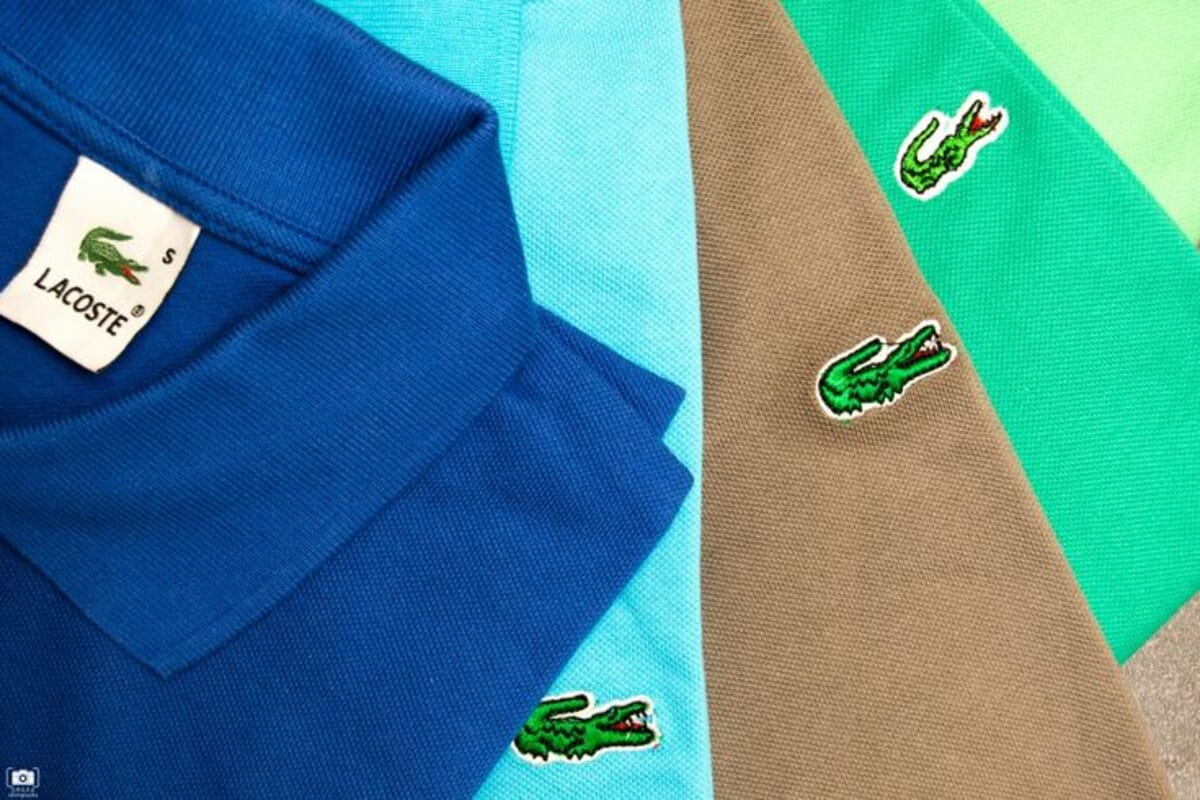
6. Lacoste: Why Is It More Than Just a Polo Shirt?
Lacoste reports revenue of €2.9 billion and employs 8,200 people. Lacoste is the most globally distributed French sportswear brand, sold in over 100 countries. A Euromonitor citation previously attached here pointed at the firm's homepage rather than a report, so we have dropped it and left the claim as the uncontroversial description it is.
Lacoste occupies a fascinating position: it is neither pure luxury nor fast fashion. In 1933, tennis player René Lacoste and businessman André Gillier created the polo shirt with the famous crocodile. It was the first time a logo appeared visibly on the exterior of a garment, a concept that is now universal.
Evolution and global reach
The brand has expanded into footwear, eyewear, fragrances, and leather goods. In Europe, Lacoste maintains a strong presence with standalone stores and corners in major department stores.
The recent strategy involves partnerships with guest designers and capsule collections that attract younger audiences. The crocodile keeps reinventing itself without losing the sporty, elegant identity that made it famous.
Sourcing pattern
Lacoste production is geographically diversified. The brand maintains French production for select premium lines (Made in France collection), with the bulk of production in Turkey, Tunisia, and Vietnam. Portuguese production appears for selected mid-tier knit programs and Made in Europe lines.
7. Kiabi: Can Affordable Fashion Be Truly French?
Kiabi generates €2.2 billion in revenue and employs roughly 10,000 people. Kiabi is among the largest fashion retailers in France by volume of garments sold, and it belongs to the Mulliez family group. An earlier version of this article ranked it second by volume "behind only the Mulliez group", which does not parse since Kiabi is part of that group, and cited a trade title's homepage for it.
Founded in 1978 in Villeneuve-d'Ascq, in northern France, Kiabi was born with a clear mission: offer fashion for the whole family at affordable prices. Unlike the luxury houses on this list, Kiabi bets on high volumes and slim margins. The model works.
International presence
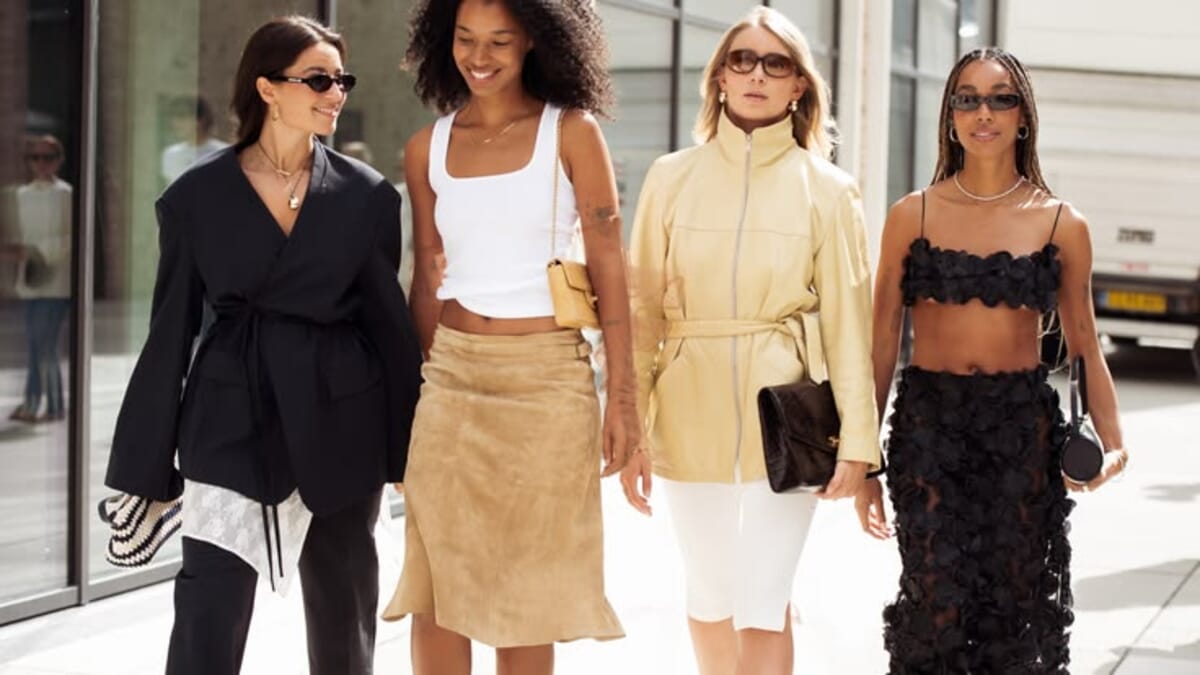
Kiabi operates over 600 stores, primarily in France, Spain, Italy, and Portugal. In the Portuguese market, the brand has been growing with locations in shopping centres across major cities.
Can an affordable ready-to-wear brand compete in recognition with giants like Chanel? The numbers say yes, at least in terms of revenue. Kiabi proves that French fashion extends well beyond haute couture and €10,000 handbags.
Sourcing pattern
Kiabi production is primarily in Bangladesh, China, Turkey, and Pakistan, typical for the affordable mid-market positioning. Portugal sourcing has grown for select certified-cotton programs and faster-cycle drops as the brand pivots toward more sustainable sourcing.
8. Celine: How Did Hedi Slimane Transform a Discreet Brand?
Celine is estimated at around €2.0 billion of revenue with roughly 3,100 employees. As with the other LVMH houses here, that is an estimate rather than a reported figure, and the claim that Celine tripled its revenue between 2019 and 2024 has been removed: LVMH publishes no brand-level series that could establish it. What is not in dispute is that Celine grew substantially under Hedi Slimane.
Founded in 1945 by Céline Vipiana as a children's shoe store, the brand gradually evolved into women's ready-to-wear. Under Phoebe Philo (2008-2018), Celine became synonymous with intellectual minimalism, attracting a loyal, understated clientele.
.jpeg?w=1200&format=optimal)
The Slimane era and the new positioning
When Hedi Slimane took over creative direction in 2018, he removed the accent from "Céline" and introduced a completely different aesthetic: more rock, younger, more masculine. The shift divided opinions, but the financial results were significant.
Top-selling products include handbags (the Triomphe and the Ava), footwear, ready-to-wear, and sunglasses. Celine now occupies a space between accessible luxury and ultra-premium.
Sourcing pattern
Celine production is predominantly Italian and French, in line with luxury fashion conventions. The brand maintains close oversight of leather goods production through LVMH's network. Portuguese production appears in select knitwear programs.
Citation Capsule: Celine is owned by LVMH and estimated at around €2.0 billion of revenue, with roughly 3,100 employees. LVMH does not disclose brand-level figures, so no reported number exists, and a claim that Celine tripled its revenue between 2019 and 2024 cannot be established from any published series. The house did grow substantially under Hedi Slimane, who led it from 2018 to 2024.
9. Sandro and Maje: What Is French "Accessible Premium" Fashion?
The SMCP group, which owns Sandro and Maje, reports combined revenue of €1.2 billion and employs 6,592 people. Data from the SMCP Group Annual Report (2024) indicates that 40% of sales come from markets outside Europe.
Sandro was founded in 1984 by Evelyne Chetrite. Maje appeared shortly after, created by her sister Judith Milgrom. The two brands occupy a specific niche: Parisian fashion with quality above fast fashion, but at lower prices than traditional luxury. This positioning is often called "affordable luxury" or accessible premium.
.jpeg?w=1200&format=optimal)
Why are they so popular?
The secret lies in their ability to translate runway trends into everyday wearable pieces. A Sandro coat costs between €300 and €600, far less than an equivalent piece from Saint Laurent, but with a cut and finish that clearly stand apart from Zara or H&M.
Both brands have established a presence across European markets and beyond. Consumers who value quality and French style have embraced this mid-range segment with enthusiasm.
Sourcing pattern
SMCP brands source production across China, Tunisia, Bulgaria, and Portugal. Portuguese production has grown significantly for the group's premium lines and certified-fabric collections. SMCP is one of the more visible "accessible premium" French groups using Portuguese factories at scale.
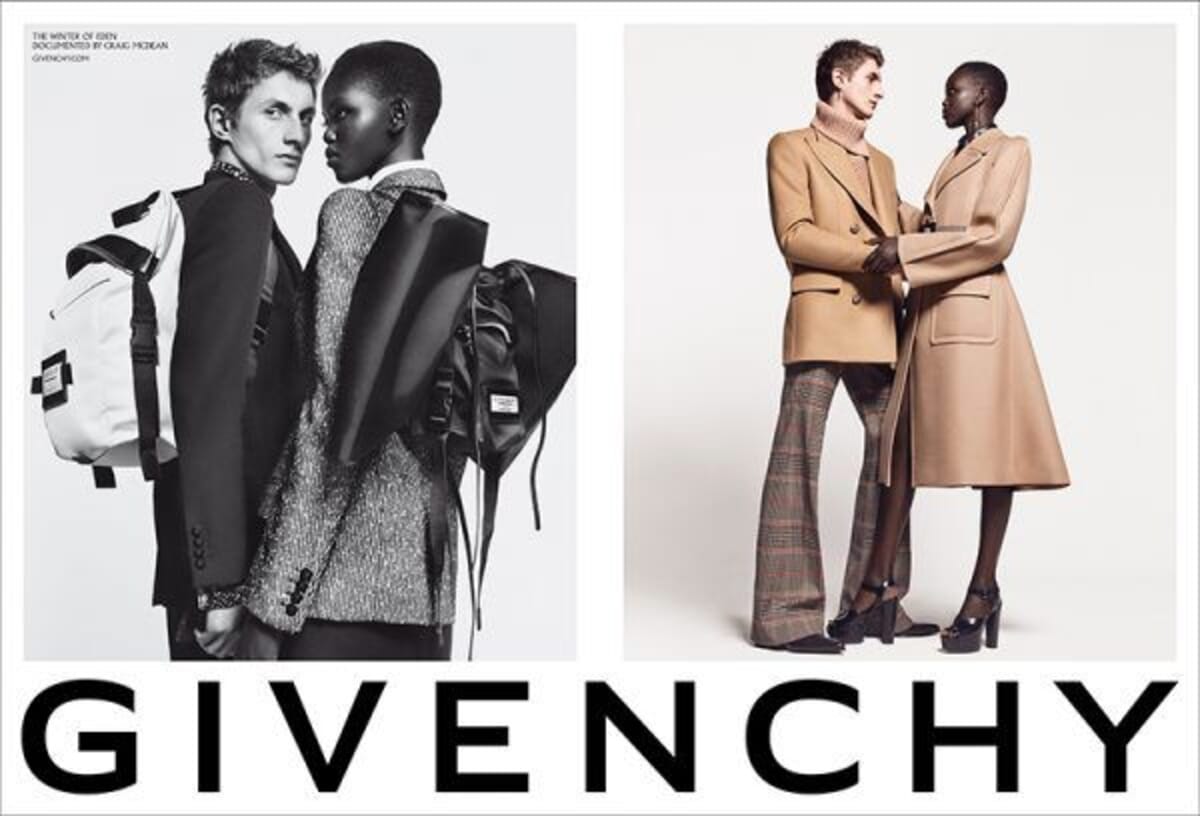
10. Givenchy: What Is Audrey Hepburn's Legacy at the Brand?
Givenchy closes the list at an estimated €1.0 billion of revenue with about 1,700 employees, again an estimate rather than an LVMH disclosure. On the creative side the page was out of date: Matthew Williams left at the end of 2023, and Sarah Burton was appointed creative director in September 2024, showing her first Givenchy collection in March 2025 after thirteen years leading Alexander McQueen.
Hubert de Givenchy founded the house in 1952, and his friendship with Audrey Hepburn defined the brand's identity for decades. The black dress from "Breakfast at Tiffany's" (1961) is perhaps the most famous costume piece in cinema history.
Products and current challenges
The brand operates across haute couture, ready-to-wear, leather goods, footwear, and fragrances. The L'Interdit perfume and the Antigona bag are its most recognisable products.
Givenchy's main challenge is finding a consistent creative voice. Over the past 15 years, the brand has cycled through several creative directors, each with a distinct vision. Within the LVMH group, Givenchy competes for attention and investment with larger brands like Dior and Celine.
Sourcing pattern
Givenchy haute couture is produced in Paris. Ready-to-wear is split between France and Italy. The brand follows the broader LVMH pattern of EU-centric production with limited extension to Portugal for select programs.
Where Do French Brands Actually Manufacture?
The big French brands above have collectively shaped how French fashion is produced and consumed. For emerging French brands launching in 2026, the patterns they reveal are useful:
Pattern 1: Luxury holds French and Italian production tight
LVMH and Kering brands keep haute couture and most leather goods in France and Italy. The brand premium absorbs the higher cost. Emerging brands cannot replicate this without genuine luxury positioning.
Pattern 2: Accessible premium has migrated to Portugal at scale
SMCP (Sandro/Maje), Lacoste's premium lines, and other accessible-premium French brands routinely source from Portuguese mills. The 5-day truck transit from Porto to Paris plus EU-tier quality and certifications make Portuguese production structurally favourable for the €100-€600 retail tier.
Pattern 3: Mass-market remains in Asia and North Africa
Kiabi and similar mid-market chains source primarily from Bangladesh, China, Tunisia, and Turkey. Portuguese production rarely competes economically below €40 retail.
Pattern 4: Sustainability strategies open Portugal
French brands pivoting toward certified materials (organic cotton, recycled fibres, OEKO-TEX) routinely shift portions of their production to Portuguese mills with established certification stacks. This pattern has accelerated since 2022.
Realistic Portuguese-produced costs for emerging French brands
| Garment | CMT €/unit (200 units) | All-in cost €/unit | Typical French retail (DTC) |
|---|---|---|---|
| Heavyweight tee (220 GSM) | €4-€6 | €8-€11 | €40-€85 |
| Heavyweight hoodie (350 GSM) | €11-€16 | €17-€27 | €110-€180 |
| Wool overshirt | €18-€28 | €35-€55 | €180-€280 |
| Tailored blazer (lined) | €28-€42 | €55-€85 | €280-€480 |
| Premium silk blouse | €15-€24 | €38-€55 | €180-€320 |
| Knitwear sweater (merino blend) | €15-€24 | €32-€48 | €165-€280 |
Sources: PCF aggregated factory quotes 2024-2026.
Which French-Style Approach Fits Which Founder?
Different founder types match different French-fashion approaches. From our placement records:
| Founder archetype | Best French-style approach | Why |
|---|---|---|
| Heritage / craft-focused | Hermès-style vertical integration with French/PT production | Quality narrative drives premium |
| Premium contemporary | Saint Laurent / Celine-style consistent design signature | Distinctive aesthetic over breadth |
| Accessible premium | Sandro-Maje-style Portuguese production | €200-€600 retail sweet spot |
| Sportswear-led | Lacoste-style logo-driven heritage | Established category positioning |
| Affordable mass-market | Kiabi-style high-volume model | Asia/North Africa sourcing required |
| Luxury aspirant | Limited drops + €500+ retail tier | Requires established brand equity |
| Sustainability-led | French + Portuguese certified production | Material story drives positioning |
| Avant-garde / conceptual | Maison Margiela / Comme des Garçons-style | Editorial-led, slow scaling |
Founder archetypes are a pattern we see in incoming briefs from French brands, not a survey. The named houses are reference points for a positioning, not claims about how those companies operate or source.
If you recognise yourself, lean toward your archetype's approach unless you have a specific reason not to.
What Mistakes Do Emerging French Brands Make?
Five years of placement records surface a recurring set of mistakes for emerging French brands sourcing internationally:
- Trying to compete with LVMH on luxury positioning. Heritage luxury requires 50+ years of equity. Emerging brands attempting "luxury" without distinctive product or genuine artisanal narrative fail consistently.
- Underestimating French customer expectations. French consumers know quality fabric, construction, and finish. Cheap fabric on Made in Portugal labelling fails immediately at the €200+ retail tier.
- Ignoring "Made in France" marketing claims regulation. France has strict rules on country-of-origin claims. "Made in France" labels require last substantial transformation in France. Brands sourcing in Portugal cannot claim Made in France.
- Skipping certifications for sustainability-led positioning. French regulators (DGCCRF) actively enforce environmental claims under the Climate and Resilience Law. Brands without verifiable certifications face friction.
- Underestimating French wholesale margins. French department stores and concept stores typically require 50% wholesale margin. Emerging brands need to factor this from initial pricing.
- Choosing factory tier wrong. First French launches at 100-200 units belong at Portuguese specialist factories. Large export-tier factories optimised for 1,000+ unit orders ignore or over-quote small briefs.
- Ignoring the August Portuguese factory shutdown. Most Portuguese factories close 2-3 weeks in mid-August. French AW launches need fabric locked by mid-July. French brands compounded by their own August holiday tradition.
- Skipping the Paris Fashion Week conversation. Emerging French brands often dismiss Paris Fashion Week as inaccessible. The Pre-Collection or Press Week (lower-tier circuits) are realistic entry points and matter for retail-buyer access.
Running into production issues? Get in contact and tell us what you're making. We're a group of Portuguese factories and we answer every serious brief within 24 hours.
How Does the August Shutdown Affect French Brands?
The August consideration is doubly important for French brands. France itself observes an intensive August holiday period, and Portuguese factories close 2-3 weeks in mid-August. The combined effect can compress production timelines significantly.
If your timeline crosses early-to-mid August:
- Lock fabric and trim sourcing by mid-July
- Sample rounds across August add 5-7 weeks vs October cycles for French brands
- AW drops shipping early September must clear bulk by mid-July
- Plan launches outside the first 10 days of September (factories restart slowly, French press is on vacation)
French brand teams new to Portuguese sourcing routinely underestimate the compounded August gap. Build it into your launch calendar from day one.
What Do These Numbers Tell Us?
The ten brands here represent roughly €78 billion of annual revenue between them, down from the €80 billion an earlier version of this article gave because Chanel's figure has been corrected from dollars to euros. Four of the ten are estimates, so read the total as an order of magnitude. The story it tells still holds: French fashion is not just tradition, it is a concentrated global industry.
Three trends
First, concentration: LVMH controls four of the ten (Louis Vuitton, Christian Dior Couture, Celine and Givenchy) and Kering owns Saint Laurent, so five of the ten sit inside two groups. Second, diversity: from the absolute luxury of Hermès to the affordability of Kiabi, there is room for very different business models. Third, longevity: brands like Hermès (1837) and Louis Vuitton (1854) prove that quality and strong identity withstand the test of time.
For anyone following the textile sector, these brands are not just names on storefronts. They are engines of innovation, employment, and culture. They will continue to be.
Talk to our team: Building a French brand and considering Portuguese production for your accessible-premium tier? Get in contact and we'll place your production with Portuguese factories that understand French market expectations.
Related: the biggest UK clothing brands
Frequently Asked Questions
What people ask about French clothing brands: which is biggest, who owns what, whether anything is still made in France, and what it costs an emerging French brand to produce in Portugal.
What is the biggest clothing brand from France by revenue?
Louis Vuitton is the largest French clothing brand, with annual revenue of €22.2 billion and approximately 215,000 employees worldwide. It belongs to the LVMH group, led by Bernard Arnault, and is consistently ranked the world's most valuable luxury brand in Brand Finance's annual league table. We have dropped the specific brand-value figure an earlier version of this article gave, which was not in any Brand Finance release we could find, and the citation that pointed at the firm's homepage.
What is the LVMH group and how many brands on this list does it control?
LVMH (Moët Hennessy Louis Vuitton) is the largest luxury conglomerate in the world, headquartered in Paris. On this list, it controls three brands: Louis Vuitton, Celine, and Givenchy. In total, the group owns more than 75 brands across multiple sectors including fashion, wines, cosmetics, and watchmaking.
Are there affordable French clothing brands with good quality?
Yes. Kiabi (€2.2 billion in revenue) offers fashion for the whole family at competitive prices, and the Sandro/Maje group (€1.2 billion) positions itself in the accessible premium segment, with pieces between €100 and €600. French fashion is far more than luxury goods alone.
Why is France so dominant in global fashion?
The French tradition in fashion goes back to the 17th century, when Louis XIV used clothing as an instrument of political power. Paris established itself as the capital of haute couture in the 19th century, and institutions like the Fédération de la Haute Couture maintain rigorous standards. The combination of artisanal heritage, specialised training, and investment in creativity has sustained this leadership for centuries.
Can a new French brand realistically produce in Portugal?
Yes, easily. Portuguese factory MOQs of 100-300 units per style align well with first-collection French brand volumes. The 5-day truck transit from Porto to Paris makes Portugal one of the most logistically convenient EU sourcing options for French brands. Post-pandemic, Portuguese sourcing has grown sharply across French accessible-premium and contemporary brands.
What's the realistic launch budget for an emerging French brand?
Production-only investment for a 6-piece French-positioned capsule produced in Portugal: €15,000-€35,000. All-in (including branding, photography, e-commerce, launch marketing): €30,000-€70,000. Brands launching below €30,000 all-in typically have either marketing or production undercooked for the French audience expectation.
Can I label Portuguese-produced garments "Made in France"?
No. Under EU and French law, "Made in France" requires the last substantial transformation (typically cut-and-sew) to occur in France. Portuguese-produced garments must be labelled "Made in Portugal" or "Made in EU." Mislabelling carries fines and reputational risk. Honesty about origin is the safer marketing path.
How does emerging French brand sourcing compare to French luxury?
Luxury houses (LVMH, Kering, Hermès) keep most production in France and Italy. Emerging French brands at €100-€600 retail tier source extensively from Portugal and Italy. Below €40 retail, mass-market brands (Kiabi-style) source from Bangladesh, China, Turkey, and Tunisia. The €100-€300 tier is where Portugal has the strongest competitive position.
What's the regulatory landscape for emerging French brands?
France has strict rules on environmental claims (Climate and Resilience Law), country-of-origin labelling, REACH chemical compliance, and waste management (AGEC law). Emerging brands need to budget for compliance audit and documentation from collection 1, not retroactively.
Should I show at Paris Fashion Week?
Probably not in the official schedule for emerging brands. The Pre-Collection (mid-tier) and Press Week (presentation circuit) are realistic entry points. Costs: €15,000-€60,000 for a Pre-Collection presentation; €5,000-€20,000 for a Press Week presentation. Decision depends on retail buyer access ambitions.
We're a group of 80 documented Portuguese clothing factories based in Porto and Guimarães. Tell us your product, volume, and timeline. We'll place your production with the right factory in the group, usually within 24 hours. You work directly with the factory. No commissions, no pitch, no upsell.
Get in contact Download the directory (€39)Need a tech pack? Get a factory-ready single-style tech pack for €79. See what's included.
Sources
- Hermès annual report (2024). Revenue of €15.2bn with growth of about 15% at constant rates. Hermès is one of only three houses here that publishes at brand level.
- Kering annual reporting. Saint Laurent revenue of €2.9bn. Kering discloses by brand, and 2024 was a year of decline across its houses rather than growth.
- SMCP annual report. Combined Sandro and Maje revenue of €1.2bn for the listed group.
- Chanel 2024 annual results. Revenue of US$18.7bn, down 4.3%, with operating profit down about 30%; roughly €16.2bn converted. Chanel reports in US dollars, which is the source of the currency error corrected on this page. Revenue returned to growth in 2025 at about US$19bn.
- LVMH. Group revenue and headcount of roughly 211,500 employees across about 75 houses. LVMH does not publish brand-level revenue, reporting Fashion and Leather Goods as one segment, so the figures here for Louis Vuitton, Christian Dior Couture, Celine and Givenchy are circulated estimates rather than disclosures. Christian Dior SE, the LVMH holding company, reported €84.7bn in 2024 and should not be confused with Christian Dior Couture.
- Fédération de la Haute Couture et de la Mode. French fashion sector context. Sector revenue of over €150bn and a GDP contribution of about 2.7% are separate measures and not interchangeable.
- PCF quoting records 2024-2026 across the 80 factories in our group. Source for the Portuguese production costs and the first-run budget range, and for the sourcing patterns we observe in French brand briefs. PCF has placed brands since 2021, including French brands; the sourcing observations are ours, not the brands' disclosures.
- Removed rather than re-sourced: Chanel revenue stated in euros when the house reports dollars, 215,000 employees attributed to Louis Vuitton when that is LVMH's group headcount, a Louis Vuitton brand value "exceeding €50 billion", 12% average annual growth for Dior, a tripling of Celine revenue between 2019 and 2024, 8% revenue growth for Saint Laurent in a year it declined, Matthew Williams leaving Givenchy in 2024 rather than 2023, Maria Grazia Chiuri as Dior's current creative director, and a count of three LVMH brands on a list containing four. Citations to Brand Finance, the Financial Times, Vogue Business, Euromonitor, LSA Conso, Business of Fashion and WWD pointed at those publications' homepages and did not support the specific figures attached to them.
Related reading
- Top 10 Portuguese clothing factories
- Nearshoring fashion production to Portugal
- Top 10 UK clothing brands
- Sustainable fabrics guide
- Clothing manufacturing costs in Portugal
- Red flags when picking a manufacturer
- MOQ minimums in Portugal
- How to find a clothing manufacturer
.jpeg)